Woven Label Manufacturer for Europe | Custom Clothing Labels
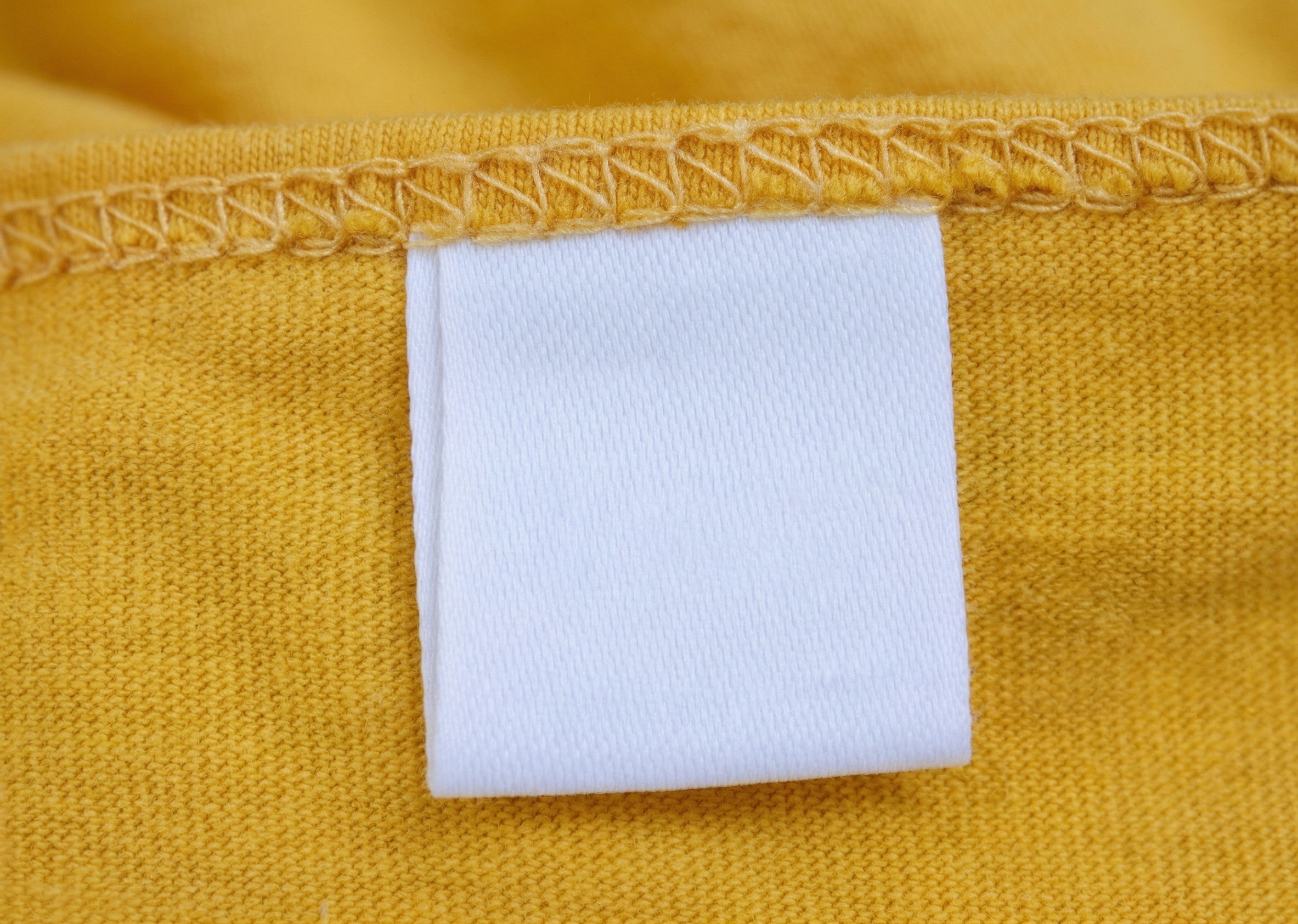
A woven label is a textile label where the design is created by weaving threads directly into the fabric, not printing on top. This construction makes woven labels more durable than printed alternatives and gives them the tactile quality that signals premium positioning to consumers.
For brands sourcing labels for the European market, finding the right manufacturing partner means balancing quality, capacity, sustainability credentials, and export reliability. This guide covers label types, customization options, certification requirements, and what to look for when selecting a supplier.
What Are Woven Labels
A woven label is a textile label where the design is woven directly into the fabric using threads, not printed on top. Think of it like embroidery, but done on a loom. The logo, brand name, or care symbols become part of the fabric itself.
You'll find woven labels at the neckline, hem, or side seam of clothing. They serve as the final touch on a garment — the small detail that tells customers they're holding something well-made.
- Woven construction: Threads are interlaced on specialized looms to create the design as part of the fabric.
- Durability: Because the design is woven in, it won't fade, crack, or peel after washing.
- Quality signal: The tactile feel of a woven label communicates premium positioning before a customer even tries the item on.
Types of Custom Woven Labels
Not all woven labels are the same. The weave type and material you choose affect how your logo looks, how the label feels against skin, and whether it fits your brand's sustainability goals.
Damask Woven Labels
Damask is a tightly woven label that allows for fine detail and crisp text. The dense weave creates a smooth surface, making it ideal for intricate logos or small lettering. The soft texture also makes damask comfortable against skin — if your main brand label sits at the neckline, damask is often the go-to choice.
Satin Woven Labels
Satin weave labels have a smooth, shiny surface. The lustrous finish catches light and creates visual interest, which is why luxury and fashion brands often choose satin. For bold logos and simple designs, satin delivers a premium look.
Cotton Woven Labels
Cotton labels offer a natural-fiber option with a matte, organic feel. They're softer against skin and align well with casual or eco-conscious brand positioning. Children's clothing, casual wear, and sustainable fashion lines frequently use cotton labels.
Recycled Yarn Woven Labels
Recycled yarn labels are made from post-consumer or post-industrial materials, addressing growing demand from brands and retailers for sustainable branding components. At leading production facilities, approximately 35% of output now uses recycled yarn.
Custom Woven Label Options
When working with a manufacturer serving European brands, you'll find extensive customization possibilities. Here's what you can specify.
Logo and Brand Integration
Your logo gets converted into a woven format using specialized jacquard looms. This process requires vector files with clear color separation. Precise Pantone matching ensures your brand colors translate accurately to thread.
Text and Symbol Placement
Beyond your logo, woven labels can incorporate brand names and taglines, country of origin statements, internationally recognized care symbols, size indicators, and website handles.
Folding Styles and Attachment Methods
The fold type affects both appearance and how the label attaches to your garment.
- Centre fold: Folded in half, sewn into a top seam. The most common style for main brand labels.
- End fold: Edges folded under, sewn flat onto the garment for a clean presentation.
- Straight cut: No folds, with ultrasonic or heat-sealed edges to prevent fraying.
- Manhattan fold: Folded on sides for loop attachment, often used for hanging labels.
- Mitre fold: Angled fold for corner applications on items like towels or blankets.
Size and Color Specifications
Label dimensions are fully customizable, with standard widths typically ranging from 10mm to 80mm. Thread colors can be matched to exact Pantone specifications across multi-color designs.
Benefits of Custom Woven Clothing Labels
- Durability: Woven designs withstand repeated washing without fading. The label often outlasts the garment itself.
- Premium perception: The tactile quality signals higher product value to consumers.
- Brand consistency: Precise logo reproduction ensures consistent branding across all products and production runs.
- Comfort: Soft weave types like damask prevent the skin irritation sometimes caused by stiff printed labels.
How to Choose a Woven Label Manufacturer for Europe
Finding the right supplier requires evaluating several key criteria.
Production Capacity and Lead Times
Monthly output capability directly affects your ability to meet order volumes and delivery schedules. High-capacity manufacturers — those producing 5 million pieces or more monthly — offer greater flexibility and faster turnaround. Ask about typical lead times and rush order capabilities.
Machinery and Quality Standards
Swiss-made Müller weaving machines represent the industry standard for premium woven labels, delivering consistent results across large production runs. Italian Willy cutting and folding machines ensure precise edges and professional presentation.
Certifications and Compliance
For EU market compliance and sustainability validation, look for manufacturers holding:
- GOTS (Global Organic Textile Standard): Verifies organic material content and processing.
- GRS (Global Recycled Standard): Confirms recycled content percentages.
- OEKO-TEX: Ensures labels have been tested for harmful substances.
- SEDEX: Indicates ethical trade and labor standards compliance.
Request copies of current certificates and verify their validity. Reputable manufacturers readily share this documentation.
Export Capabilities and Geographic Reach
A manufacturer exporting to 60+ countries has refined international shipping processes, translating to fewer delays and smoother order fulfillment. The EU-Turkey Customs Union also means zero import duties on labels shipped from Turkey to EU countries — a meaningful cost advantage over Asian suppliers.
Sustainable Woven Labels and Certifications
Sustainability requirements are increasingly non-negotiable for brands selling into European retail.
Recycled Materials in Label Production
Manufacturers incorporate recycled content by sourcing yarn from post-consumer sources like plastic bottles, or from post-industrial textile waste. Leading manufacturers now produce 35% or more of their output using recycled yarn.
Key Certifications for Eco-Friendly Labels
- GRS (Global Recycled Standard): Verifies exact recycled content percentages.
- OCS (Organic Content Standard): Tracks organic material through the supply chain.
- RCS (Recycled Claim Standard): Establishes chain of custody for recycled inputs.
- FSC (Forest Stewardship Council): Certifies responsible forestry for any paper components.
Woven Label Applications
Apparel and Garment Branding
In clothing, woven labels function as the main brand identity element alongside size and care information. Fashion, sportswear, workwear, and childrenswear all rely on woven labels.
Accessories and Textile Products
Beyond apparel, woven labels brand bags, shoes, home textiles like towels and bedding, and other soft goods.
Private Label Manufacturing
White-label and private-label producers require consistent, high-quality branding across product lines. A reliable manufacturing partner ensures brand consistency even when production volumes scale.
Partner with a Trusted Manufacturer Serving Europe
Selecting the right manufacturing partner means finding a supplier that combines single-source convenience, quality machinery, sustainable material options, and proven export reliability.
Manufacturers operating from Istanbul offer competitive advantages for European brands: proximity to European markets, zero import duties under the EU-Turkey Customs Union, established export infrastructure, and decades of textile production expertise. Look for partners with 40+ years of experience, extensive machine parks, and monthly capacities measured in millions of pieces.
FAQs About Woven Label Manufacturers for Europe
What is the minimum order quantity for custom woven labels?
Minimum order quantities vary by manufacturer, typically ranging from a few hundred to several thousand pieces depending on label complexity. Manufacturers with larger production capacities often offer more flexible MOQs.
How long does custom woven label production and delivery take?
Production lead times typically range from two to four weeks after artwork approval. Manufacturers with high-capacity facilities can often accommodate rush orders when needed.
Can one manufacturer supply both woven brand labels and printed care labels?
Many full-service label manufacturers offer both woven brand labels and printed care instruction labels, allowing brands to consolidate suppliers and reduce logistics complexity.
What machinery is used to manufacture woven labels?
Woven labels are produced on specialized jacquard looms, with premium manufacturers using Swiss-made Müller weaving machines. Finishing involves Italian Willy cutting and folding equipment for clean edges and professional presentation.
How do woven labels differ from printed labels in durability?
Woven labels have the design integrated directly into the fabric structure, making them far more durable and wash-resistant than printed labels where ink sits on the surface.
Let's talk about your labeling and packaging needs.
Get a Quote