Sustainable Label Supplier for Europe: Certifications, Materials and How to Choose
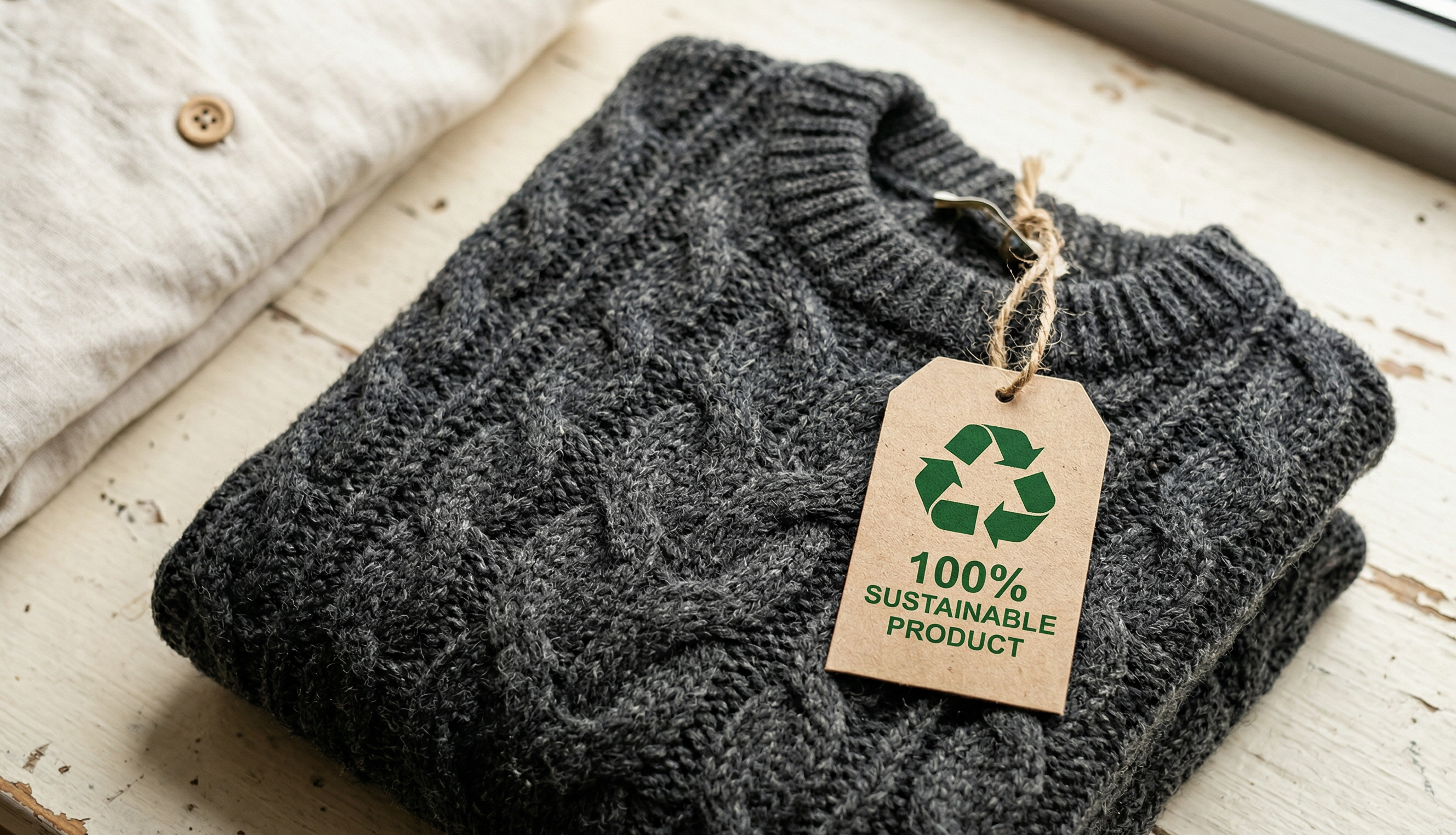
European textile brands face a practical problem: sustainability claims mean nothing without verification, and splitting label orders across multiple suppliers creates compliance headaches. The solution is finding a single certified supplier who can deliver woven labels, printed care labels, and cardboard packaging — all meeting recognized environmental and social standards.
This guide covers the certifications that matter for European markets, the materials that make labels genuinely sustainable, and how to evaluate suppliers based on capacity, transparency, and export experience.
What Are Sustainable Labels
Sustainable label suppliers produce eco-friendly woven labels, printed care labels, and cardboard packaging using recycled yarn, organic cotton, FSC-certified paper, and renewable facestock. Leading suppliers verify their materials through certifications like GOTS, GRS, OEKO-TEX, and FSC.
So what actually makes a label "sustainable"? Two things: the raw materials come from recycled or responsibly sourced inputs, and the production process meets audited environmental and social standards. A conventional polyester woven label uses virgin petroleum-based yarn. A sustainable version uses recycled polyester yarn made from post-consumer plastic, verified by GRS certification.
European textile brands are moving toward sustainable labels for practical reasons. EU packaging regulations are tightening, major retailers now require certified materials from their suppliers, and consumers increasingly check labels for sustainability claims. A GOTS or FSC mark on your label tells buyers — and the supply chain — that the product meets verified standards, not just marketing language.
Certifications for Sustainable Labels in Europe
Certifications turn sustainability claims into verifiable facts. Without third-party verification, "eco-friendly" is just a word on a website. With certification, it's a documented, auditable standard.
Different certifications cover different label types. Textile labels typically require fiber-content certifications. Cardboard swing tags and boxes require paper-sourcing certifications. Knowing which certification applies to which product helps you specify exactly what you want when talking to suppliers.
GOTS and GRS for Textile Labels
GOTS (Global Organic Textile Standard) certifies that textile products contain organic fibers grown without synthetic pesticides or fertilizers. The certification covers the entire supply chain — from the cotton field to the finished woven label sewn into a garment.
GRS (Global Recycled Standard) certifies recycled content in textiles and tracks the recycled material through each production step. If a supplier says their woven labels contain 35% recycled yarn, GRS verification confirms that percentage is accurate.
- GOTS: Verifies organic fiber content and organic processing standards.
- GRS: Verifies recycled content percentage and chain of custody.
Many European brands request both certifications, depending on whether they prioritize organic sourcing, recycled content, or a combination.
FSC Certification for Paper Labels
FSC (Forest Stewardship Council) certification applies to paper-based products: cardboard swing tags, paper labels, and branded boxes. The certification confirms that paper materials come from responsibly managed forests or verified recycled sources.
You'll often see an FSC license code on certified products. This code is traceable — anyone can verify it through the FSC database. For brands using cardboard packaging as a point-of-sale branding element, FSC certification demonstrates environmental responsibility at the first physical touchpoint with consumers.
OEKO-TEX and Sedex Standards
OEKO-TEX Standard 100 tests finished textile products for harmful substances. Care labels sewn into garments sit directly against skin, so this certification matters for consumer safety. OEKO-TEX testing checks for restricted chemicals, heavy metals, and other substances that could cause skin irritation.
Sedex addresses the social side of sustainability. It's an ethical audit platform that verifies fair labor practices, health and safety standards, and human rights compliance across the supply chain. European brands increasingly expect suppliers to hold Sedex membership alongside environmental certifications.
Tip: When evaluating suppliers, ask for copies of current certificates and confirm the scope covers the specific products you're ordering. A facility-wide certification doesn't automatically cover every product line.
Sustainable Materials for Eco-Friendly Labels
Certifications verify claims. Materials determine actual environmental impact.
Recycled Yarn and Organic Cotton
- Recycled polyester yarn: Made from post-consumer sources like plastic bottles. Reduces virgin resource consumption while maintaining durability and print quality. Leading manufacturers now produce 35% or more of their woven labels using recycled yarn.
- Organic cotton: Grown without synthetic pesticides. Works well for printed care labels that sit against skin, offering softness while meeting GOTS certification requirements.
Recycled Paper and Renewable Facestock
Some cardboard tag suppliers report that 45% or more of their production uses recycled paper, with FSC-certified options available for the remainder.
Types of Sustainable Labels for Textile Brands
Sustainable Woven Labels
Woven labels carry your brand name and logo. They're often the first thing a customer touches when inspecting a garment. Sustainable woven labels use recycled yarn woven on precision machinery — Swiss-made Müller weaving machines paired with Italian Willy cutting and folding machines. Monthly capacity at established suppliers can reach 5 million pieces or more.
Sustainable Printed Care Labels
Printed care labels communicate wash instructions, fiber content, and country of origin. They sit against skin, so comfort matters as much as print durability. Sustainable options include labels printed on recycled satin or organic cotton fabric. Leading suppliers handle 15 million pieces monthly across sustainable substrates.
Sustainable Cardboard Tags and Packaging
Swing tags and branded boxes serve as point-of-sale advertising while reinforcing brand identity. Sustainable cardboard products use recycled paper or FSC-certified materials. Advanced printing techniques — offset, hot foil, embossing, digital, laser — work on sustainable papers just as well as conventional stock.
How to Choose a Sustainable Label Supplier in Europe
Verify Certifications and Supply Chain Transparency
Request copies of valid certificates — not just logos. Confirm the certificate scope covers the specific products you want to order.
Ask about supplier auditing practices. Sedex membership indicates ongoing social compliance monitoring rather than a one-time audit. Suppliers who request certifications like GOTS, GRS, OCS, RCS, and OEKO-TEX from their own material suppliers demonstrate genuine supply chain transparency.
Evaluate Production Capacity and Lead Times
Sustainable labels require certified raw materials, which can affect availability during high-demand periods. Check the supplier's monthly capacity for sustainable product lines specifically. A supplier with 40 million monthly capacity across multiple product lines can typically absorb volume fluctuations better than smaller operations.
Confirm Full Product Range from One Supplier
Sourcing woven labels, printed care labels, and cardboard packaging from a single certified supplier simplifies compliance documentation. You get consistent quality standards and reduce logistics complexity — especially important for brands managing multiple product lines or seasonal collections with tight timelines.
Assess European Export and Logistics Experience
Experienced exporters understand EU documentation requirements, customs procedures, and delivery expectations. Ask how many European countries the supplier currently ships to. Suppliers exporting to 60+ countries typically have established logistics processes that reduce shipping delays.
EU Packaging Regulations and PPWR Compliance
The EU's Packaging and Packaging Waste Regulation (PPWR) is reshaping material requirements for labels and packaging sold in European markets. The regulation emphasizes recyclability, recycled content minimums, and reduced packaging waste.
Sustainable label suppliers who already use mono-materials and certified recyclable papers are better positioned to meet these requirements. When evaluating suppliers, ask how their current product lines align with anticipated PPWR standards.
Partner with a Certified Label Manufacturer Serving Europe
Working with an established, multi-certified supplier simplifies compliance while ensuring consistent quality at scale. Etiteks, Turkey's first organic-certified label manufacturer, holds GOTS, GRS, OCS, RCS, OEKO-TEX, and Sedex certifications across product lines — and sources certified materials from verified suppliers.
With 40+ years of experience since 1983, Etiteks delivers woven labels, printed care labels, and cardboard packaging from a single integrated partner, exporting to 60+ countries including across Europe.
FAQs About Sustainable Label Suppliers in Europe
What is the minimum order quantity for sustainable labels from European suppliers?
Minimum order quantities vary by supplier and product type. Established manufacturers with dedicated sustainable production lines can typically accommodate both mid-scale orders and large-volume production runs. Ask suppliers directly about minimums for each product category.
How does sustainable label pricing compare to conventional label pricing?
Sustainable labels typically cost slightly more than conventional options due to certified raw materials and audited production processes. However, the price gap has narrowed as recycled materials become more widely available and production scales increase.
Can sustainable labels achieve the same print quality as conventional labels?
Yes. Modern production equipment and recycled materials now deliver print resolution, color accuracy, and durability comparable to conventional label materials.
What is the typical lead time for sustainable label orders shipped to Europe?
Suppliers with dedicated sustainable production lines and European export experience can typically meet standard industry timelines of 2-4 weeks for most orders.
Are sustainable labels compatible with European recycling streams?
Labels made from mono-materials and certified recyclable papers are designed to work with standard European recycling processes. Suppliers familiar with PPWR requirements can advise on recyclability for specific applications.
Let's talk about your labeling and packaging needs.
Get a Quote